GIỚI THIỆU TẬP ĐOÀN GIÁO DỤC ALEXANDER

Tập Đoàn Giáo dục Alexander là một trong những tổ chức giáo dục đào tạo hàng đầu Việt Nam. Với hơn 17 năm kinh nghiệm về mảng giáo dục và đào tạo Alexander Group đã xây dựng và kiến tạo một hệ thống giáo dục “chuyên nghiệp – chất lượng – uy tín” với hệ thống và cơ sở vật chất trên toàn quốc


 

HỆ THỐNG GIÁO DỤC

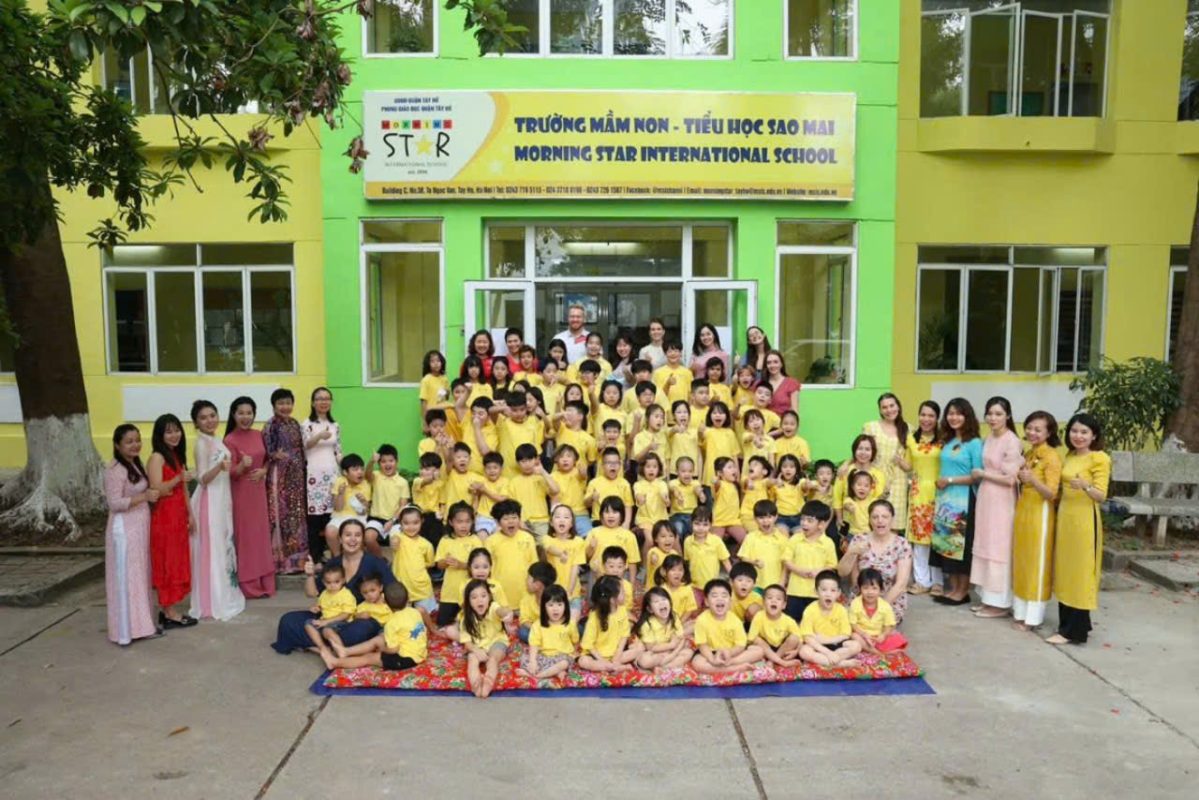
Morning Star International School (MSIS)

Morning Star được thành lập từ năm 1994, là một trong những trường quốc tế lâu đời nhất tại Hà Nội. Trường cung cấp chương trình Song ngữ và Quốc tế từ mầm non đến tiểu học, với sĩ số lớp nhỏ, giáo trình quốc tế và đội ngũ giáo viên bản ngữ nhiều kinh nghiệm.

TÌM HIỂU THÊM

Hanoi International Kindergarten (HIK)

Trường Mầm non Quốc tế HIK được thành lập năm 1997 với mục tiêu mang đến môi trường giáo dục sớm chất lượng quốc tế. Trường chú trọng phát triển toàn diện cho trẻ từ 14 tháng đến 6 tuổi qua chương trình quốc tế, cơ sở vật chất hiện đại và đội ngũ giáo viên giàu kinh nghiệm.

TÌM HIỂU THÊM

Hệ thống trường THPT Quốc Trí

Trường Quốc Trí có hơn 12 năm phát triển, 100% học sinh đỗ tốt nghiệp và vào các trường Đại học tốt tại Việt Nam và trên thế giới. Chương trình học chất lượng cao với tăng cường các Môn học chính, tăng cường tiếng Anh và giáo dục thể chất.

TÌM HIỂU THÊM

Trường THPT Nguyễn Bỉnh Khiêm

Trường THPT Tư thục Nguyễn Bỉnh Khiêm (thành phố Tuy Hoà, tỉnh Phú Yên) được thành lập năm  26 năm). Với đội ngũ giáo viên có chuyên môn giỏi, nhiều kinh nghiệm giảng dạy và tâm huyết. 

TÌM HIỂU THÊM


CƠ HỘI NGHỀ NGHIỆP

Gia nhập đội ngũ nhân viên tài năng và nhiệt huyết tại tập đoàn Alexander. Hàng chục vị trí chúng tôi đang tuyển dụng với mức đãi ngộ hấp dẫn dành cho nhân tài

  • Cơ hội thăng tiến nghề nghiệp 
  • Môi trường năng động chuyên nghiệp
  • Mức lương thưởng cực hấp dẫn 
  • Định hướng nghề nghiệp lâu dài và ổn định
TÌM HIỂU THÊM
Well-designed examples do more than illustrate a finished answer; they show how a decision develops from initial conditions to a defensible result. In education, the strongest examples reveal assumptions, identify the relevant rule, and explain why nearby alternatives fail, giving readers a pattern they can adapt rather than a formula they can copy. A worked test example makes this process visible by linking each input to a measurable outcome, while also showing how controls, edge cases, and evaluation criteria affect the conclusion. That level of detail is especially valuable in technical subjects, where a small change in data, timing, or configuration can produce a different result. Examples also become more useful when they are clearly labeled by difficulty and purpose, so beginners can follow the core method while experienced readers can examine exceptions. Editorial explanations should therefore pair concise demonstrations with enough surrounding context to make the lesson transferable without burying it in unnecessary theory.
Well-chosen examples turn abstract ideas into practical understanding by showing how a principle works under recognizable conditions. In education, documentation, and software design, they are most effective when they match the reader’s level and reveal the reasoning behind each result. A test example with clear input, expected output, and boundary conditions makes quality criteria easier to interpret and exposes assumptions that a general explanation might leave hidden. The surrounding explanation should then distinguish the typical case from exceptions, since one polished demonstration cannot represent every real-world variation. Examples also gain value when they are brief enough to study but detailed enough to reproduce, allowing readers to compare their own decisions with a reliable model. Used selectively, they clarify difficult material without replacing the broader rules, evidence, or judgment needed to apply it well.